
Njoftimi fundit

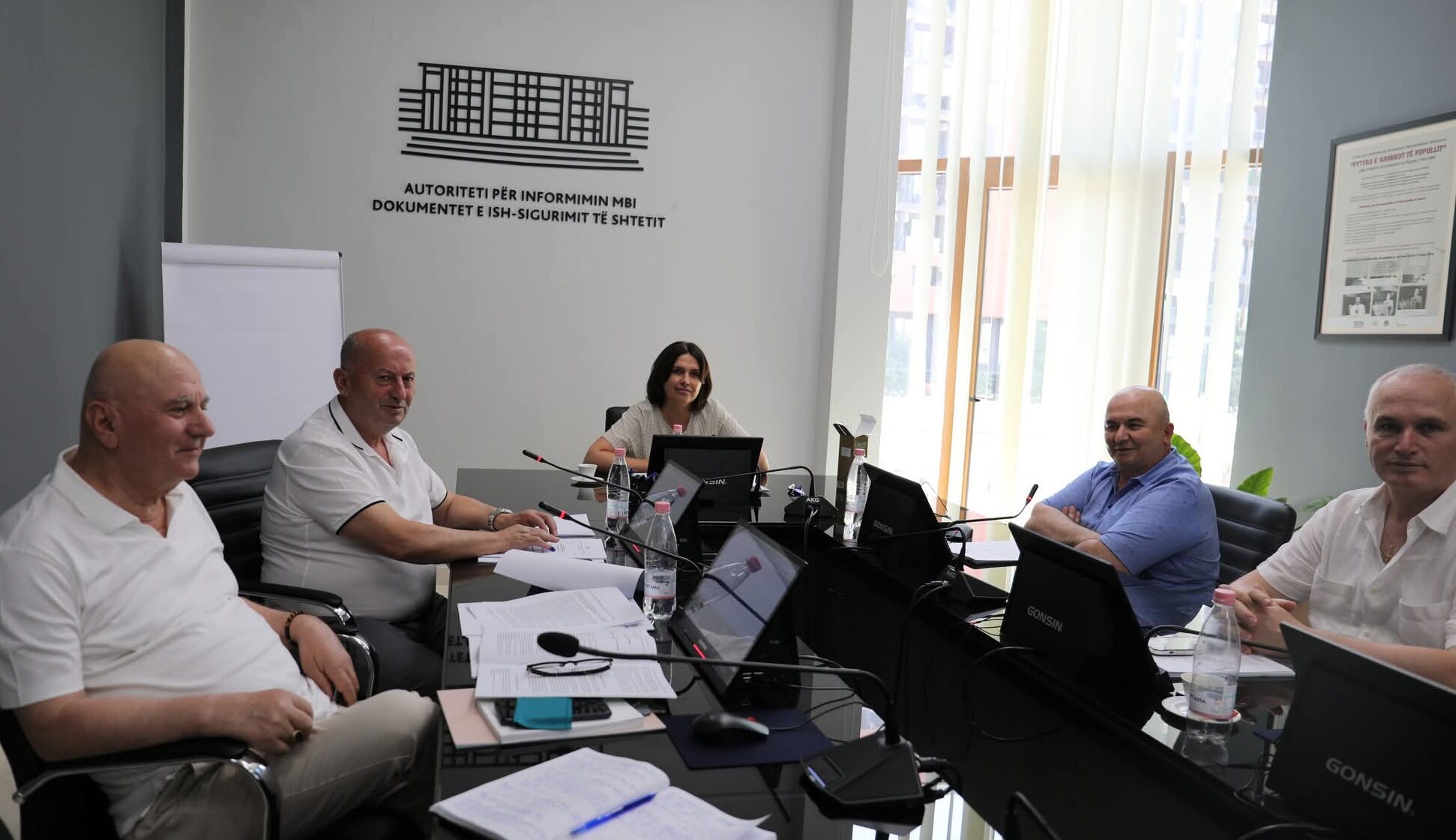

The Authority for Information on the Documents of the Former State Security provides services to citizens, public institutions, researchers, and the media, with the aim of guaranteeing the right to know and preserving historical memory. Every citizen has the right to access documents if they were a subject of surveillance by the former State Security. Family members of political persecuted individuals may request information about the fate of their deceased or killed relatives during the dictatorship. The Authority verifies individuals' involvement in the former State Security structures upon request by relevant institutions. It enables archival research for scientific, media, and educational purposes, and promotes awareness of the past and encourages social reflection.
Browse to see our activities.
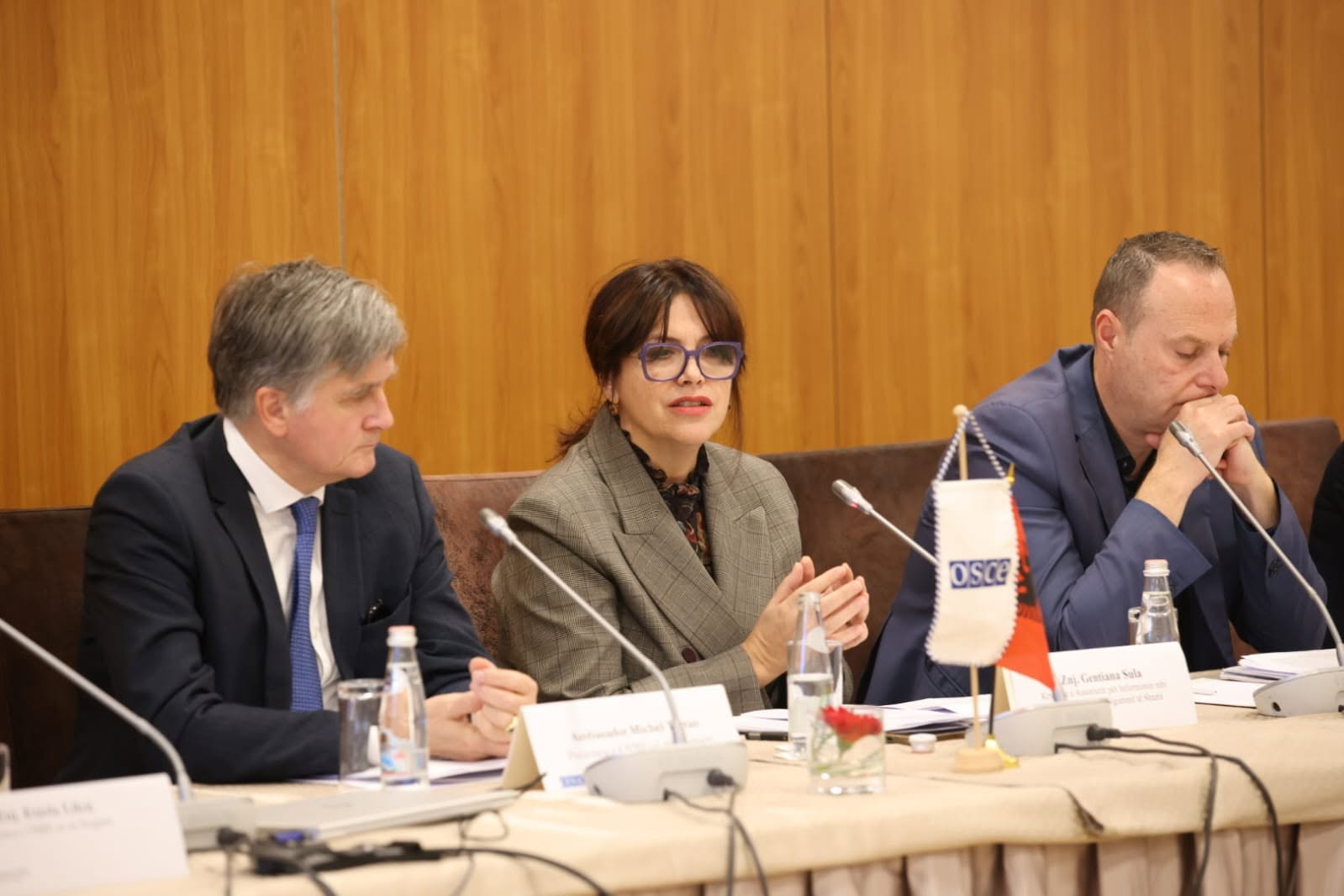
Tryeza OSBE–AIDSSH, Tiranë, 24 nëntor 2026 I nderuar z. Tarran, Të nderuar përfaqësues të Ministrisë së Arsimit dhe Sportit, të
Facebook Twitter LinkedIn Email Facebook Twitter LinkedIn Email Nga Dr. Gentiana Sula Çfarë duhet të bëjë një demokraci me arkivat
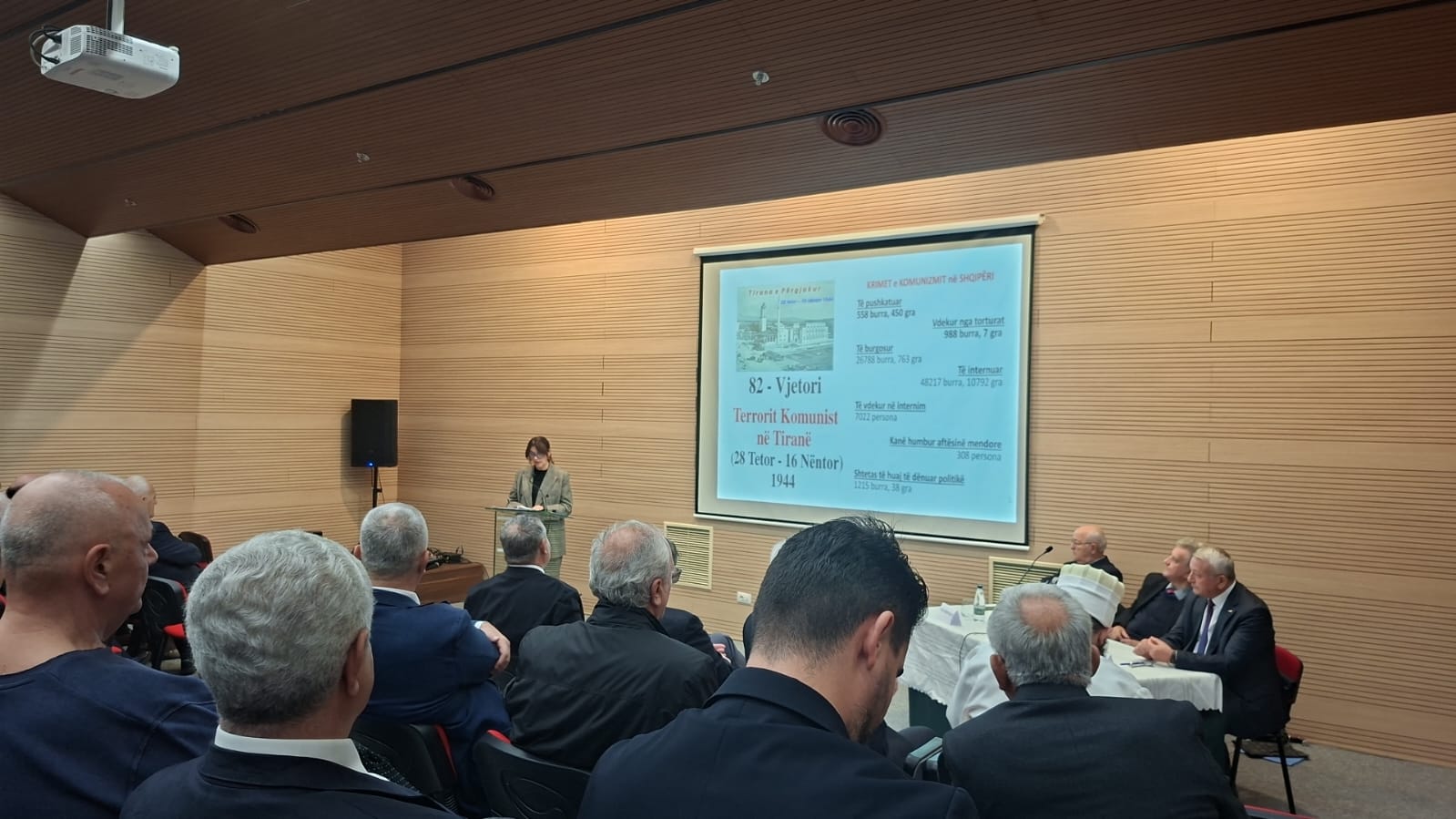
Fjala e kryetares së AIDSSH-së, Gentiana Sula, në 82-vjetorin e vrasjeve pa gjyq në Tiranë, 16 nëntor 2026 Më 16
This section provides short and clear answers on how citizens, researchers, and journalists can request and obtain documents from the former State Security archive.
You will find information about the application process, required documents, deadlines and procedures, as well as the rules for reviewing and obtaining duplicates. The goal is to ensure transparency, accurate information, and respect for the right to know the past. For help or questions, you can contact us at: info@autoritetidosjeve.gov.al
Aksesi bëhet përmes një kërkese zyrtare në përputhje me ligjin nr. 45/2015 dhe udhëzimin përkatës të miratuar nga Autoriteti. Kërkuesi duhet të plotësojë formularin përkatës për kërkues dhe media që gjendet në faqen web të Autoritetit aidssh.al dhe të bashkëngjisë dokumentacionin që provon cilësinë e tij si studiues, gazetar apo përfaqësues media. Pas verifikimeve, dhe miratimit të kërkesës dokumentet kërkohen në arkiv dhe vihet në dispozicion materiali në përputhje me legjislacionin për mbrojtjen e të dhënave personale dhe të drejtave të palëve të prekura.
To complete your request as accurately as possible, please refer to the “Guide for Researchers and Journalists” on our official website. If you wish to contact the department directly, the emails and contact numbers can be found on the website.
The duration depends on several factors: the completeness of the documentation, the complexity of the request, the condition of the documents, verification with the affected parties, and technical processing. Usually, the process goes through several phases: validation of the request, archival search, processing, and decision-making for provision. In priority cases (e.g., urgent academic research or media projects with deadlines), the Authority may expedite the procedures.
Yes. If the documents contain sensitive personal data that affect the privacy of third parties, the Authority may require approval from the affected party or their family. Without this approval, only anonymized content or a limited part of the file may be provided.
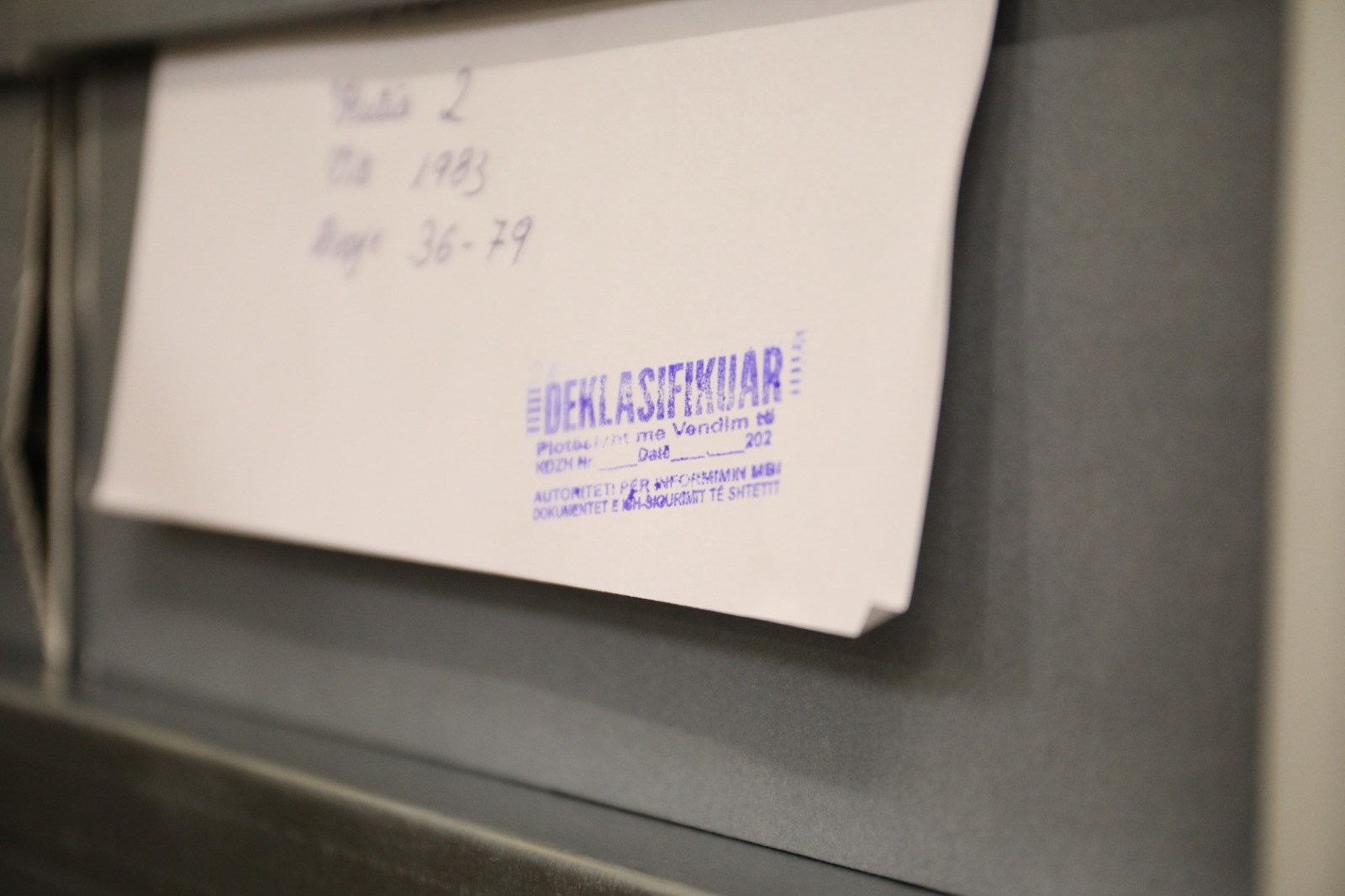
Declassification of documents means the removal of the "state secret" status from documents kept by the Authority. This process allows previously classified documents to become accessible to the public, in accordance with legal provisions and principles of transparency, respect for individual rights, and personal data protection.
Për vetë konsultimin në sallën e studimit nuk ka tarifë. Por nëse kërkohet dublikatë fizike ose digjitale e dokumenteve, zbatohen tarifat standarde për printim ose skanim, sipas vendimit të Këshillit të Ministrave për shërbimet arkivore, informacione të cilat e gjeni ne faqe web të Autoritetit aidssh.al
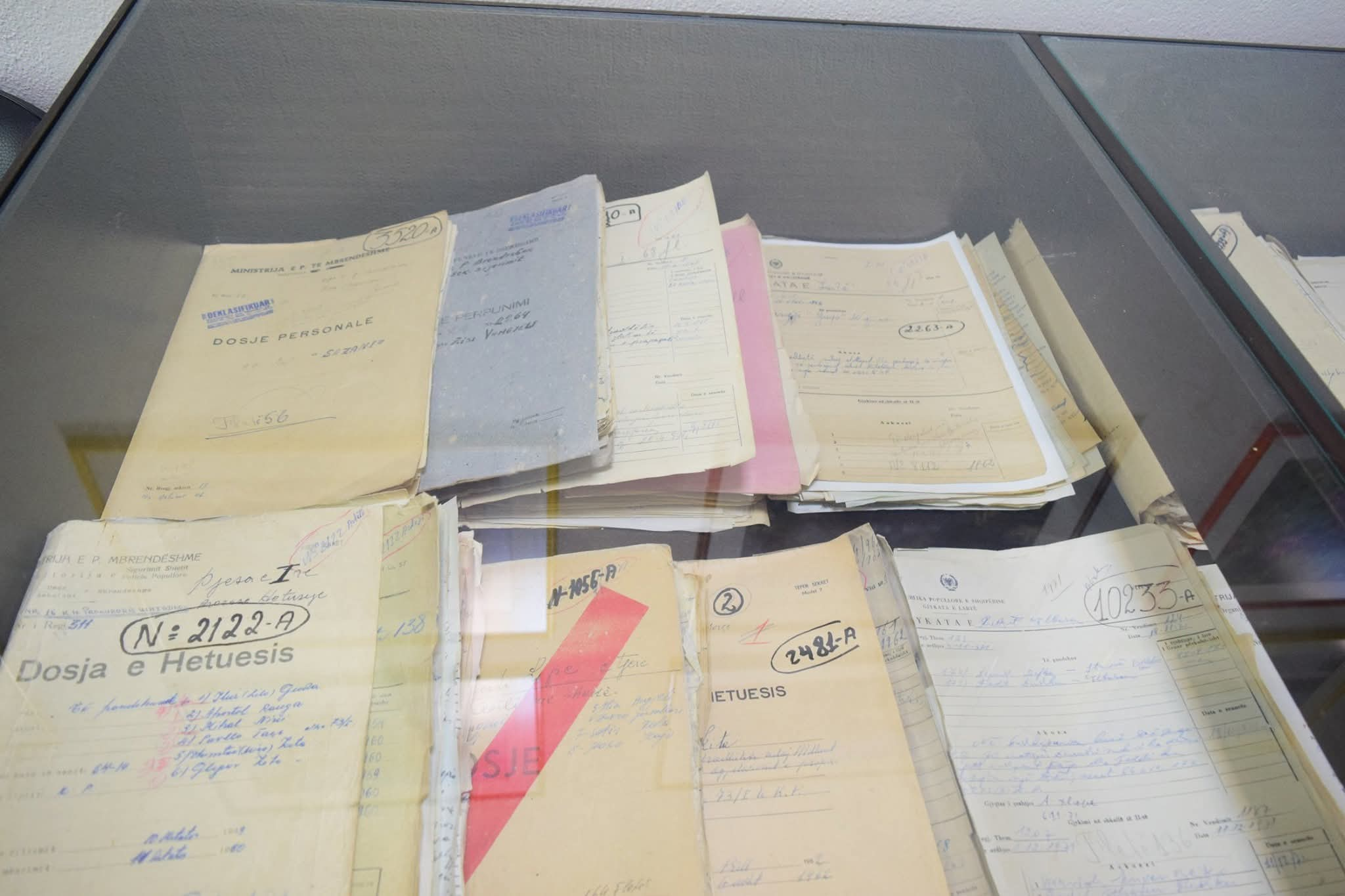
The archival collection of the Authority preserves investigative, operational, surveillance, and collaborator files of the security service, surveillance reports, alerts, political reports, as well as internal and inter-institutional correspondence of the time. The content of the documents depends on the type of file and the function of the monitored subject.